AI Content Engines Are Reshaping Marketing in 2026
STRADIMARK | AI AGENCY | UNITED KINGDOM
AI Content Engines Are Reshaping Marketing in 2026
What the latest AI and search trends mean for UK businesses and how to respond
By Stradimark Issue No 17
AI is no longer a side tool in marketing. In 2026, it is becoming part of the operating model. Teams are using it to speed up research, draft content, personalise messaging, and adapt campaigns across channels faster than traditional workflows allow. For UK businesses, the shift is no longer theoretical. It is changing how visibility, efficiency, and customer expectations work inpractice.
83%
of marketers globally now use AI tools in their daily workflows — 2026
7×
more content output from AI-assisted teams vs manual-only teams (CMI 2026)
The Shift is Already Underway
One of the biggest mistakes leaders still make is treating AI in marketing as an emerging trend. It is not. Multiple 2025–2026 studies now show that AI use is becoming routine across marketing teams, especially in research, content development, workflow automation, and campaign optimisation. The real question is no longer whether teams will use AI. It is whether they are using it with enough structure, quality control, and strategic intent to create an advantage.
That matters because the competitive gap is widening. AI-assisted teams can research faster, publish more consistently, and repurpose content with far less friction than manual-only teams. But volume on its own is not the point. The organisations see the strongest results combining speed with editorial oversight, subject ability, and clearer governance. In other words, the advantage comes from building a system, not just using a tool.
What An AI Content Engine Does
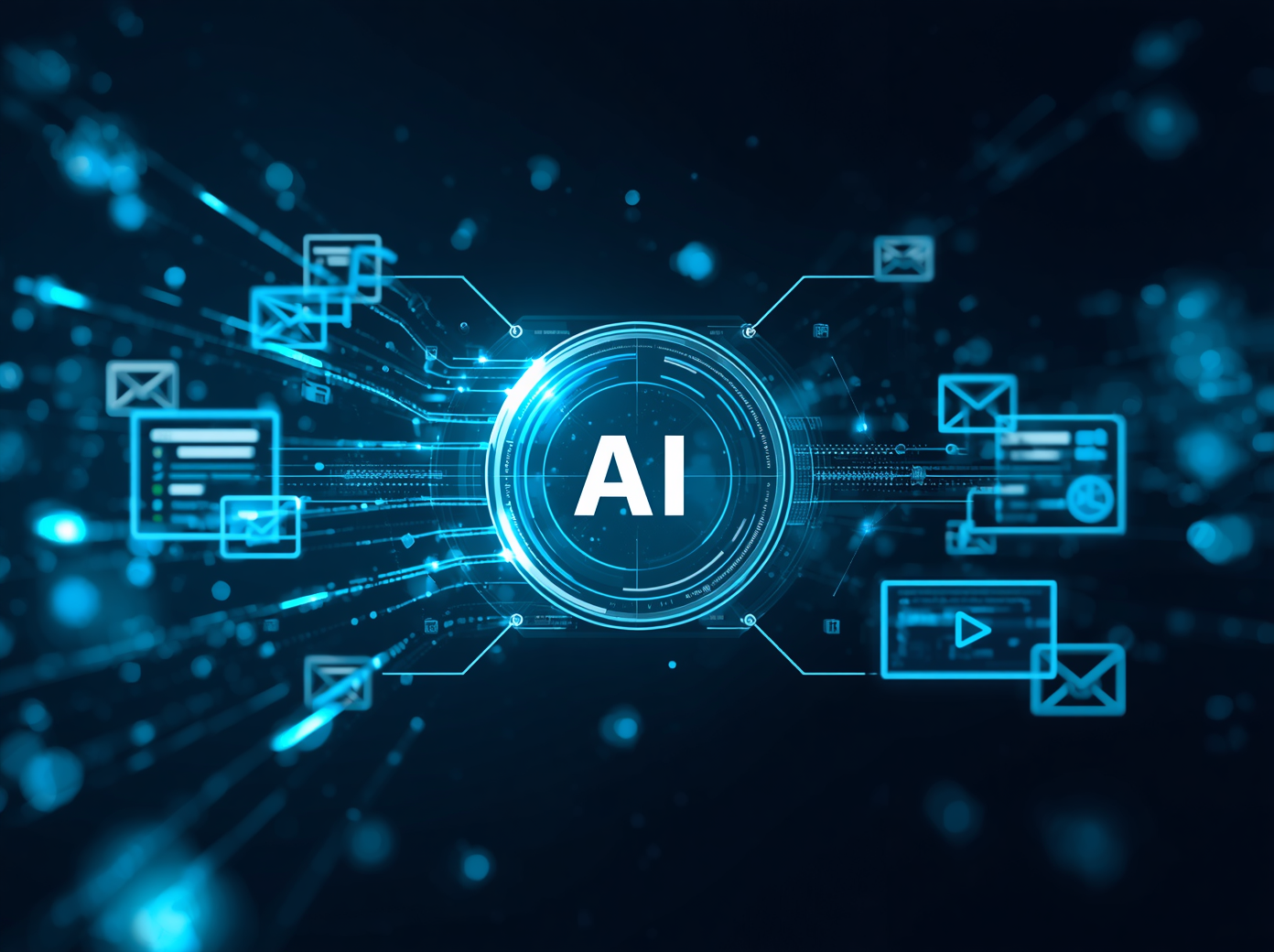
When people hear the phrase AI content engine, they often think of a chatbot writing blog posts. The stronger model is operational. A content engine combines research, briefing, drafting, optimisation, and distribution into a connected workflow. Instead of starting from a blank page, teams can move from topic discovery to channel-ready assets in a far more structured way.
This matters even more in a search environment shaped by AI summaries and answer engines. Structured content with clear headings, strong factual grounding, and direct relevance is more likely to be surfaced, cited, and trusted than vague promotional copy. For brands, which means content strategy now needs to support both human readers and machine-mediated discovery.
Personalisation Is Moving From Ambition to Expectation
AI is not only changing how content is produced. It is also changing how content is delivered. As customer data, behavioural signals, and CRM systems become more connected, brands can personalise messages, timing, and offer more effectively than before. That matters because customer expectations have shifted. People increasingly expect brands to be relevant, responsive, and context-aware rather than generic and reactive.
The Winners Will Be Human-led And AI-enabled
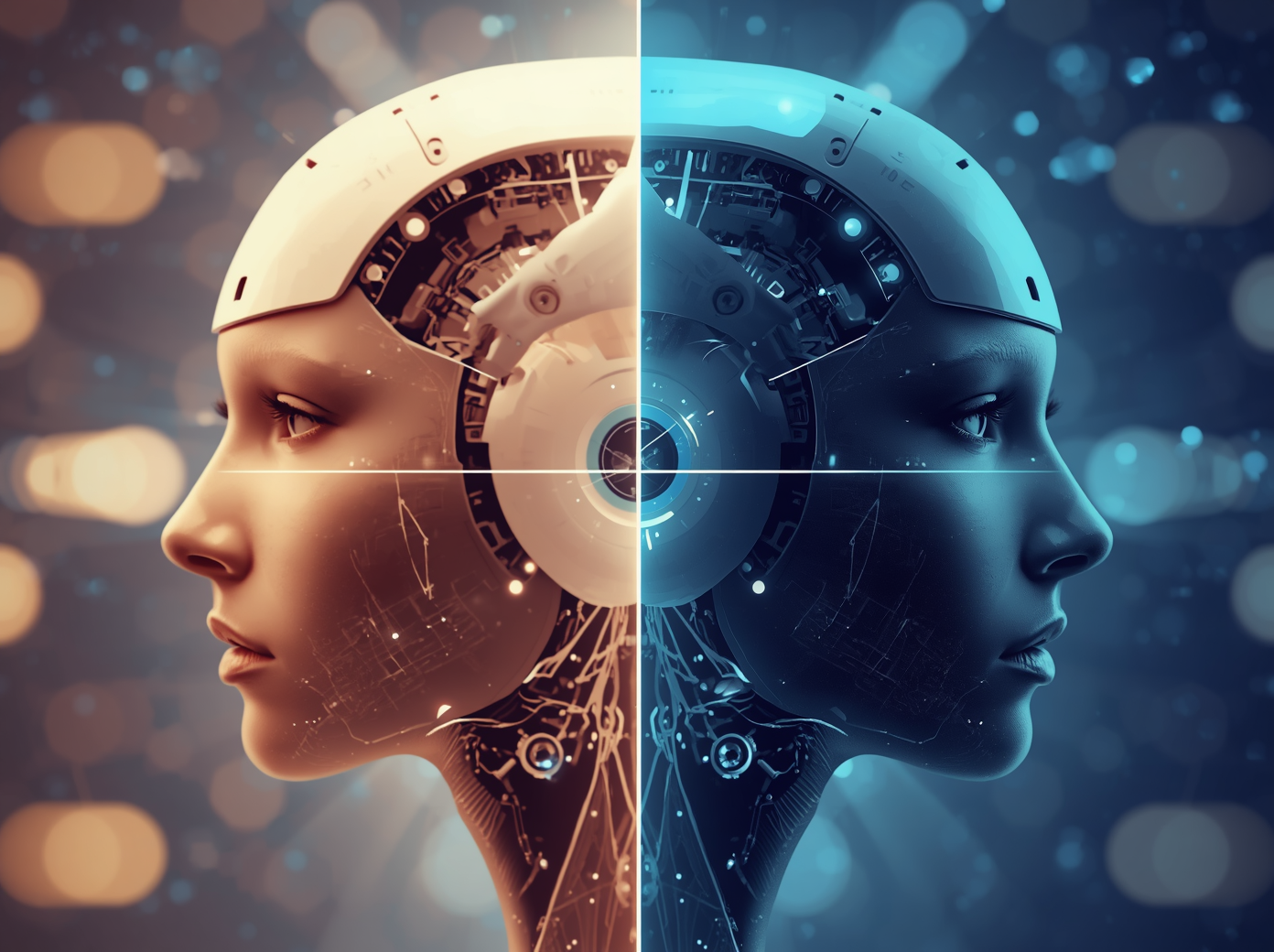
The strongest teams are not replacing strategy with automation. They are using AI to remove repetitive work so humans can spend more time on positioning, insight, judgment, and originality. That distinction matters. Low-quality automation creates more noise. Human-led AI systems create better workflows, stronger brand consistency, and more useful content. In practice, the future belongs to teams that know where automation helps and where human thinking still creates the real edge.
What UK Businesses Should Do Next
For most organisations, the next step is not to automate everything. It is to find the parts of the marketing workflow that are repetitive, slow, and structurally predictable, then redesign those with AI and human review built in. Start with research, briefing, first drafts, repurposing, and reporting. Put approval points around quality, compliance, and brand voice. If your business runs across Europe, governance also matters more now as the EU AI Act phases in further requirements during 2026.
The opportunity is clear: businesses that build disciplined, high-quality AI workflows now will be better positioned to compete on speed, visibility, and relevance over the next few years. The question is no longer whether AI will shape marketing. It already is. The question is whether your operating model is evolving fast enough to keep up.